
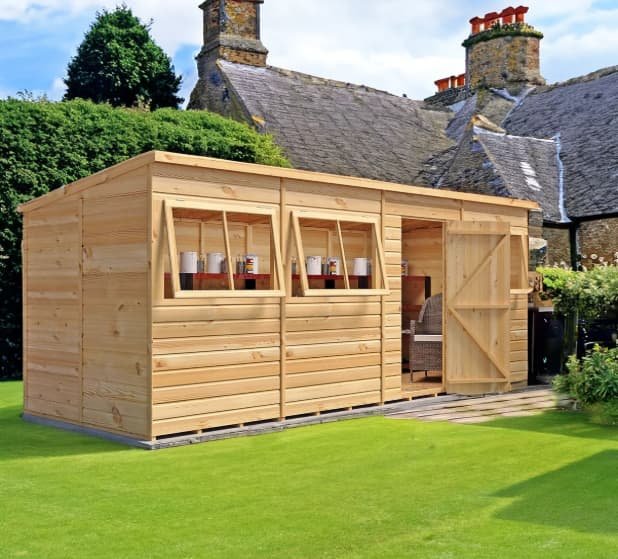
What Property Owners Discover About Timber Sheds After Exploring Alternatives
Outdoor storage decisions occasionally reveal surprising complexities when homeowners investigate various options carefully and thoroughly. Most residents assume simple solutions suffice without examining what actually works in practice. Property owners exploring timber sheds sometimes discover unexpected advantages contradicting initial assumptions and expectations. Storage challenges occasionally persist even after investing in alternative solutions and temporary arrangements. Garden equipment sometimes deteriorates faster than anticipated when protection remains inadequate and insufficient. Backyard functionality sometimes improves dramatically once proper structures address real storage problems. Practical solutions depend partly upon recognising limitations within conventional approaches and thinking. Property satisfaction improves noticeably once appropriate storage solutions address actual household needs.
Questioning Popular Assumptions
Plastic alternatives sometimes disappoint despite marketing suggesting superior durability and weather resistance. Metal structures occasionally rust faster than wooden counterparts in coastal and humid environments. Compact solutions frequently prove inadequate when equipment volumes exceed initial projections and estimates. Rental arrangements occasionally become impractical when long-term storage needs emerge unexpectedly and suddenly. DIY constructions sometimes fail structurally when amateur builders underestimate engineering requirements and specifications. Temporary solutions occasionally become permanent eyesores when replacements never happen as intended. Assumption challenges matter considerably when storage decisions deserve careful evaluation and testing. Reality differs substantially from initial marketing claims and manufacturer promotional statements.
Examining Material Performance
Sheds constructed from timber demonstrate resilience, surprising those accustomed to synthetic alternatives. Natural materials occasionally age gracefully whilst artificial options deteriorate visibly and noticeably. Weather exposure sometimes benefits timber when protective treatments maintain structural integrity effectively. Maintenance requirements occasionally prove simpler than anticipated when proper care prevents major issues. Aesthetic integration improves considerably when timber complements gardens rather than contrasting sharply. Environmental considerations sometimes favour renewable materials over petroleum-based synthetic alternatives and options. Performance reality matters considerably when construction materials are evaluated over extended ownership periods. Durability assessment matters considerably when comparing material options against realistic long-term performance expectations.
Investigating Real-World Usage Patterns
Homeowners occasionally discover that storage needs shift dramatically after initial installation. Access patterns sometimes reveal that convenient locations matter more than anticipated. Weather protection becomes crucial during specific seasons when outdoor work intensifies considerably. Equipment organisation sometimes improves workflow efficiency in unexpected ways and applications. Family member preferences occasionally vary regarding storage aesthetics and functional design. Lifestyle changes sometimes necessitate storage modifications and adjustments after initial construction. Usage reality matters considerably when designs adapt to actual household patterns and needs. Pattern recognition matters considerably when addressing evolving storage requirements and circumstances.
Reconsidering Aesthetic Integration
Garden design occasionally flourishes when storage structures complement rather than dominate spaces. Architectural character sometimes emerges through thoughtful material selection and positioning choices. Timber finishes occasionally mature beautifully, creating visual appeal that synthetic alternatives cannot match. Landscape photography sometimes improves noticeably once cluttered yards receive proper organisation and care. Property character occasionally strengthens when structures reflect regional building traditions and aesthetics. Design cohesion sometimes develops gradually as vegetation and maturation enhance overall presentation. Aesthetic considerations matter considerably when storage structures influence property visual character and appeal. Integration matters considerably when outdoor structures enhance rather than detract from landscapes.
Examining Maintenance Realities
Seasonal upkeep occasionally proves manageable when structural designs permit straightforward maintenance access. Protective treatments sometimes remain effective longer than industry predictions suggest and indicate. Repair procedures occasionally become unnecessary when quality construction prevents premature deterioration and damage. Weathering patterns sometimes create desirable patina rather than problematic degradation and decline. Maintenance costs occasionally decrease over time as structures stabilise and settle. DIY maintenance sometimes becomes feasible when designs permit owner-level interventions and repairs. Maintenance reality matters considerably when actual upkeep requirements differ from expectations. Maintenance assessment matters considerably when planning long-term property maintenance and budget allocation.
Observing Environmental Factors
Coastal regions occasionally find timber performs better than synthetic materials overall. Humidity levels sometimes favour natural materials over plastic alternatives and options. Temperature fluctuations occasionally stress synthetic materials, causing expansion and contraction issues. Pest resistance sometimes improves through proper material selection and treatment approaches. Environmental impact occasionally influences purchasing decisions among ecologically conscious property owners and consumers. Sustainable sourcing sometimes matters when consumers prefer renewable resource alternatives and options. Environmental considerations matter considerably when evaluating material choices and environmental impact. Ecological assessment matters considerably when selecting materials reflecting environmental values and commitments.
Recognising Market Evolution
Manufacturer innovations occasionally reflect changing consumer preferences and evolving market demands. Timber shed popularity occasionally increases despite predictions favouring synthetic alternatives and options. Consumer reviews sometimes reveal satisfaction levels exceeding expectations and initial assumptions. Resale value occasionally improves when properties feature quality timber storage structures. Heritage considerations sometimes influence decisions among historically-minded property owners and enthusiasts. Cultural preferences occasionally favour traditional materials over modern synthetic alternatives. Market trends matter considerably when reflecting genuine consumer satisfaction and preferences. Market dynamics matter considerably when assessing real-world consumer choices and preferences.
Conclusion
Timber sheds represent practical solutions addressing real backyard storage challenges and needs. Storage functionality improves noticeably when appropriate structures address actual equipment and item volumes. Property aesthetics occasionally enhance when timber construction complements gardens and outdoor spaces. Maintenance requirements sometimes prove manageable when quality construction and design permit access. Environmental considerations occasionally influence decisions among sustainability-minded property owners and consumers. Real-world performance sometimes exceeds initial expectations when timber structures prove durable. Property owners discover practical transformation through thoughtful timber storage solutions and installation.